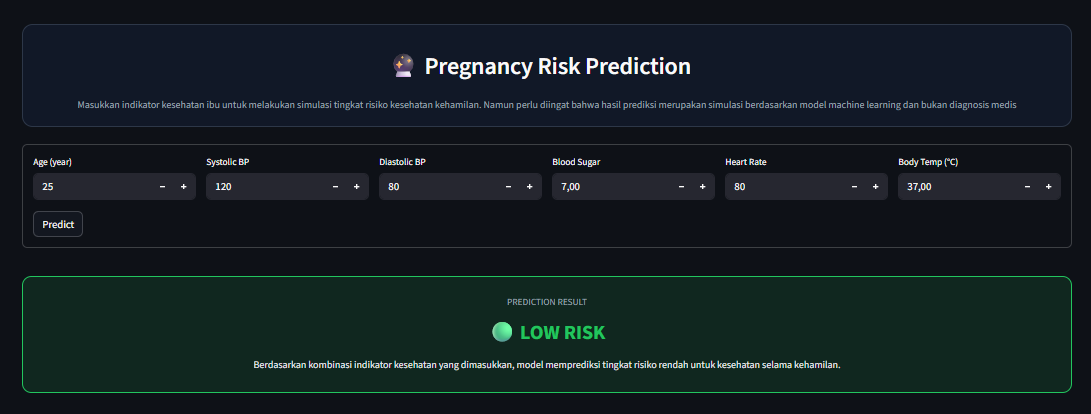
Maternal Health Prediction
Machine learning application for predicting maternal health risk using key health indicators.
Featured Projects
Machine learning application for predicting maternal health risk using key health indicators.
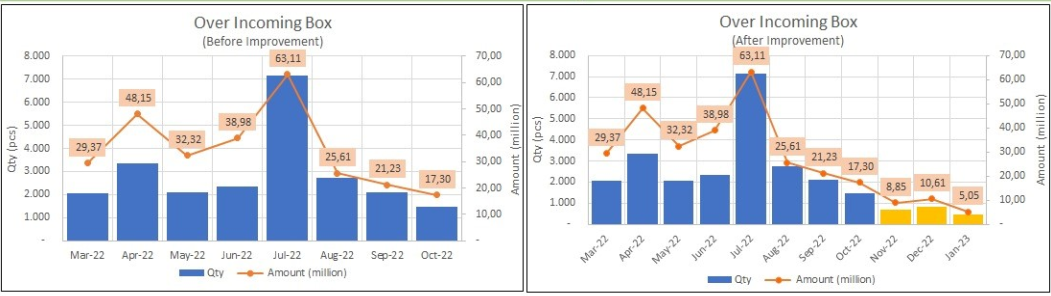
Inventory analysis used to identify excess material patterns and improve material planning decisions.
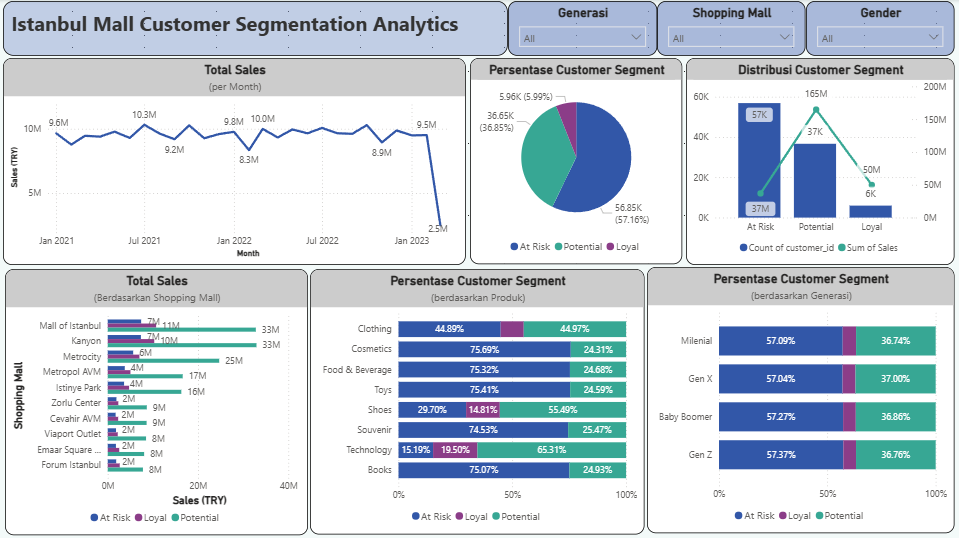
RFM-based customer segmentation to identify valuable customer groups and support targeted business strategies.

Remote administrative and business support covering research, customer coordination, and data management.
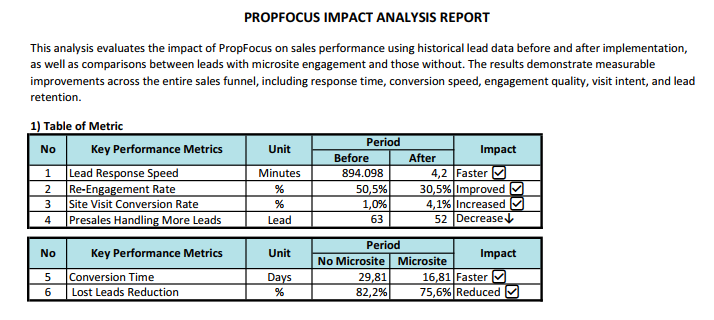
The analysis measured operational efficiency, lead engagement, and conversion performance to improved business outcomes
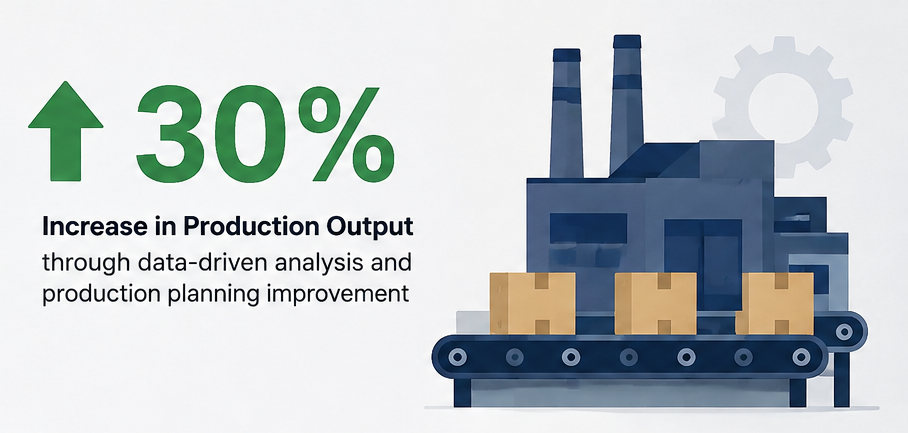
Increased production output using descriptive analysis.
A machine learning project developed to predict maternal health risk by analyzing key health indicators including age, blood sugar, blood pressure, body temperature, and heart rate to classify maternal health risk levels.
An inventory optimization project focused on reducing excess packaging material by analyzing stock movement, purchasing patterns, and demand trends. The analysis helped improve inventory planning and reduce unnecessary inventory costs.
This project analyzes customer purchasing behavior using the RFM (Recency, Frequency, Monetary) model to classify customers into three segments: At Risk, Potential, and Loyal. The insights help businesses better understand customer behavior and support more targeted marketing strategies.
Provided remote administrative and operational support for a Singapore-based property company. Responsibilities included property research, customer coordination, document management, invoice preparation, and data organization to support daily business operations while maintaining client confidentiality.
Evaluated the business impact of an AI-powered property platform by comparing key business metrics before and after implementation. The analysis measured operational efficiency, lead engagement, and conversion performance to assess how the AI solution improved business outcomes.
Conducted descriptive analysis to compare production output with customer demand and identify production performance gaps. The insights supported production planning improvements and increased production output while maintaining alignment with customer requirements.